Ensuring Reliable Water Quality in Pharmaceutical Manufacturing
In pharmaceutical manufacturing, water systems are designed to deliver consistent quality, reliability, and compliance. While technologies such as Reverse Osmosis and Purified Water generation receive significant attention, the stability of these downstream processes often depends on an equally critical stage: Pre-Ultrafiltration (Pre-UF).
At TSA, we emphasize that the reliability of a pre-ultrafiltration system is not only defined by its design but also by the availability and proper management of critical spare parts. Preventive maintenance and timely replacement of key components play a major role in maintaining filtration efficiency, protecting downstream membranes, and avoiding operational disruptions.
Understanding the Role of Pre-Ultrafiltration
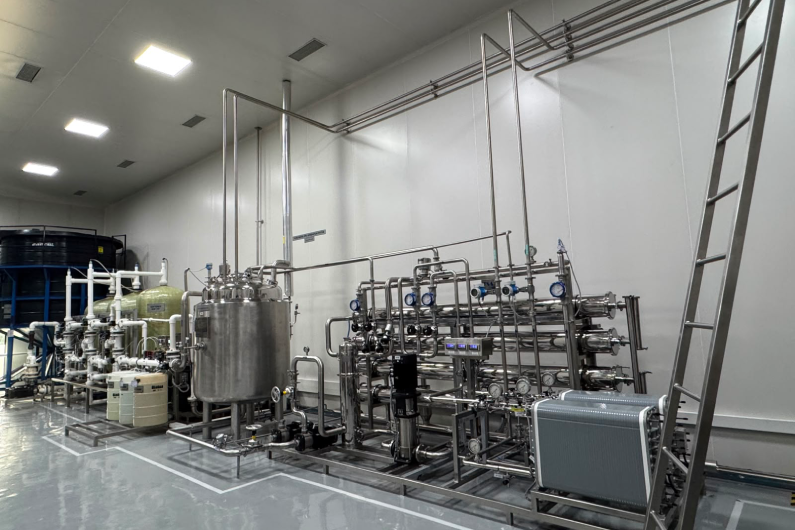
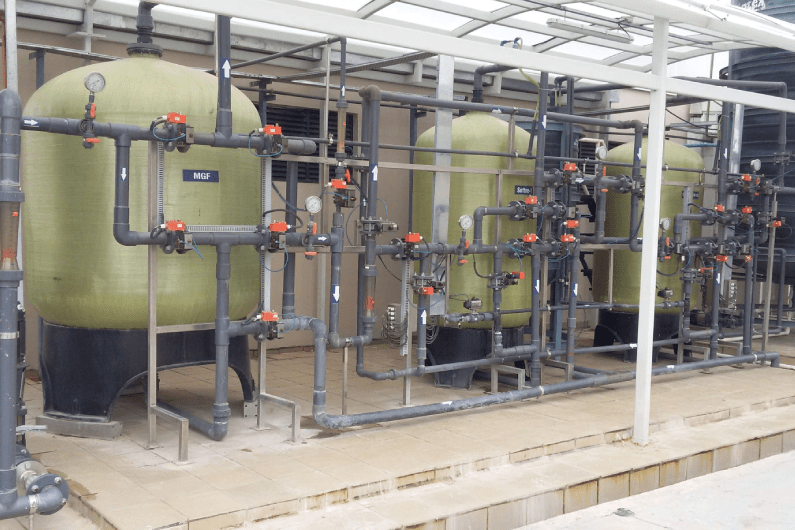
A pre-ultrafiltration system is installed upstream of critical purification processes to remove suspended solids, colloids, and fine particles from feed water. This filtration stage acts as a protective barrier before water enters sensitive purification equipment such as Reverse Osmosis membranes or high-purity water generation systems.
The primary objective of pre-UF is to stabilize feed water quality and prevent particulate fouling in downstream systems. In pharmaceutical facilities where water purity is directly linked to product quality, even small fluctuations in feed water characteristics can lead to operational inefficiencies, increased chemical usage, and frequent membrane cleaning cycles.
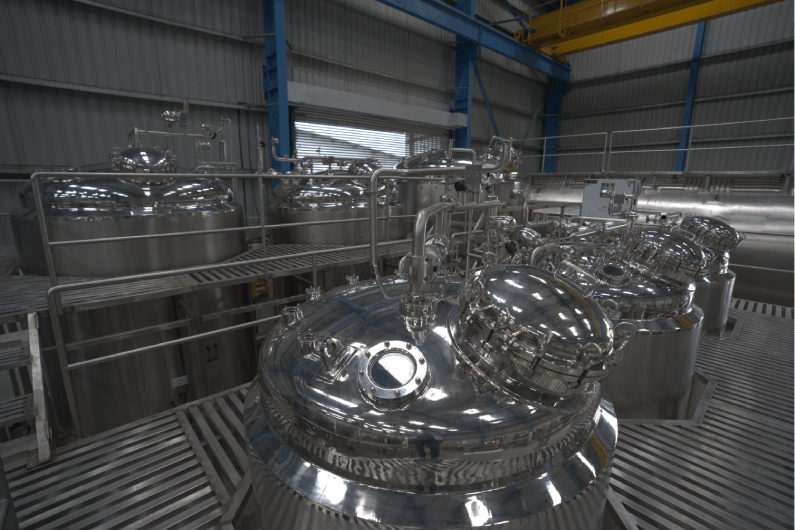
By integrating ultrafiltration modules along with chemical dosing systems and storage tanks, pre-UF systems help maintain consistent water quality and extend the life of downstream equipment.
How Pre-Ultrafiltration Is Carried Out
The pre-UF process typically begins with feed water entering a storage or buffer tank where flow stabilization takes place. From here, water is directed toward chemical dosing stages that prepare the water for efficient filtration.
Chemical Dosing and Feed Conditioning
Several dosing systems are integrated to control water chemistry and prevent membrane damage.
An antiscalant dosing system is used to inhibit the formation of mineral scales on membranes. Scaling can significantly reduce filtration efficiency and increase maintenance requirements.
A correction dosing system is often implemented to maintain optimal pH levels. Proper pH balance ensures efficient filtration performance and protects system components.
In some installations, SSMDS (Sodium Metabisulfite Dosing System) is used to neutralize oxidizing agents such as chlorine that may otherwise damage filtration membranes.
These dosing systems ensure that feed water reaches the ultrafiltration stage under controlled chemical conditions.
Ultrafiltration Process
Once the feed water is conditioned, it passes through Ultrafiltration Modules, which form the core of the pre-UF system.
Ultrafiltration membranes operate using a physical filtration mechanism that removes:
- Suspended particles
- Colloidal contaminants
- Microorganisms
- Fine particulates
The membranes allow water molecules to pass while retaining larger contaminants, producing a clarified and stable feed water stream suitable for further purification processes.
Periodic backwashing cycles are carried out to remove accumulated particles from the membrane surface and maintain filtration efficiency.
Why Spare Parts Are Critical in Pre-UF Systems
Even a well-engineered filtration system relies heavily on the availability of critical spare parts to maintain consistent performance. In pharmaceutical plants where production continuity is essential, delayed maintenance or unavailable components can quickly lead to downtime.
At TSA, we advise pharmaceutical facilities to maintain a structured spare parts strategy for their pre-ultrafiltration systems.
The most critical spare components typically include:
Ultrafiltration Membrane Modules
UF membranes are the primary filtration element and are subject to gradual fouling over time. Having replacement modules available ensures that filtration performance can be restored quickly during scheduled maintenance.
Chemical Dosing Pump Components
Dosing pumps used for antiscalant, correction of chemicals, and SSMDS require periodic replacement of parts such as diaphragms, seals, and valves. Maintaining these spares ensures accurate chemical dosing and prevents feed water chemistry fluctuations.
Instrumentation Components
Sensors and transmitters used to monitor pressure, flow, and dosing levels must function reliably. Spare transmitters and calibration components help maintain system monitoring accuracy.
Control Valves and Actuators
Automated valves used during filtration and backwash cycles play a critical role in system operation. Spare actuators and valve components reduce downtime in case of mechanical failure.
Filter Housing and Sealing Components
Gaskets, O-rings, and sealing assemblies ensure leak-free operation of filtration modules and pipelines. Regular replacement prevents system contamination and pressure losses.
The Operational Impact of a Strong Spare Parts Strategy
Maintaining the right spare parts inventory provides multiple operational advantages for pharmaceutical plants.
It reduces unexpected downtime by enabling quick replacement of critical components. It also ensures that filtration performance remains stable over long operating periods.
More importantly, it protects downstream purification systems such as Reverse Osmosis units by maintaining consistent feed water quality.
From an operational perspective, this approach leads to lower maintenance costs, improved equipment life, and more predictable system performance.
TSA’s Approach to Pre-Ultrafiltration Reliability
At TSA, our engineering approach extends beyond system design. We focus on ensuring long-term reliability through structured spare parts planning, preventive maintenance guidance, and system performance optimization.
By integrating robust pre-ultrafiltration systems with a well-defined spare parts strategy, pharmaceutical plants can maintain stable water quality while protecting critical purification assets.
Reliable water systems are not only built through engineering excellence but also sustained through proactive maintenance and operational discipline.