The Invisible Threat: How Poor Pre-Treatment Leads to Membrane Damage in Pharma Water Systems
A Strong System Can Still Fail—If the Water Isn’t Ready for It
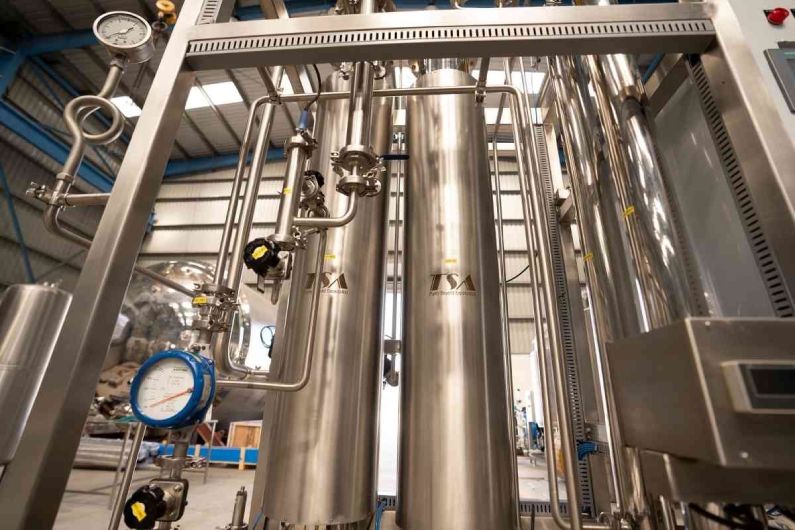
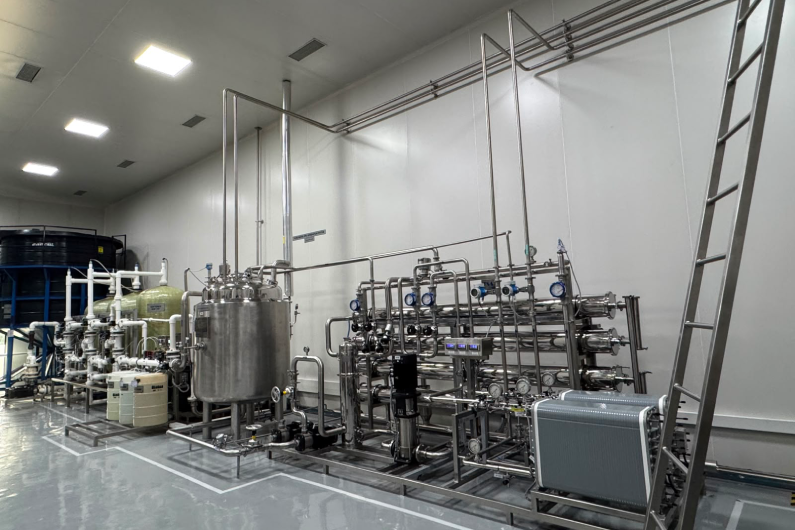
Pharmaceutical manufacturers invest significantly in advanced purification technologies such as Reverse Osmosis (RO), Electrode ionization (EDI), and Ultrafiltration (UF) to ensure consistent, regulatory-grade water quality. However, even the most sophisticated systems are only as effective as the water they receive. Pre-treatment is often perceived as a basic or auxiliary stage in water system design but overlooking it can trigger a cascade of failures starting with membrane damage, and ending in costly downtime, contamination risk, or complete purification breakdown.
While the consequences are often visible scaling, fouling, drop in recovery ratio, or increased pressure differentials the cause remains hidden until the damage is done. Impurities such as hardness, chlorine, organic matter, and suspended solids can bypass underperforming pre-treatment stages and enter the RO or EDI system, leading to irreversible damage. The reality is simple purification cannot succeed unless the feed water is made compatible with it.
When Pre-Treatment Is an Afterthought, Membranes Become the Filter
RO and EDI membranes are highly sensitive to certain contaminants. Chlorine and chloramines degrade membrane polymers, resulting in physical breaches and permanent rejection loss. Hardness ions like calcium and magnesium can crystallize into scale on membrane surfaces, impeding flow and increasing operational pressure. Organics, if not addressed, can form biofilm or carbon fouling layers, drastically reducing membrane life and water quality.
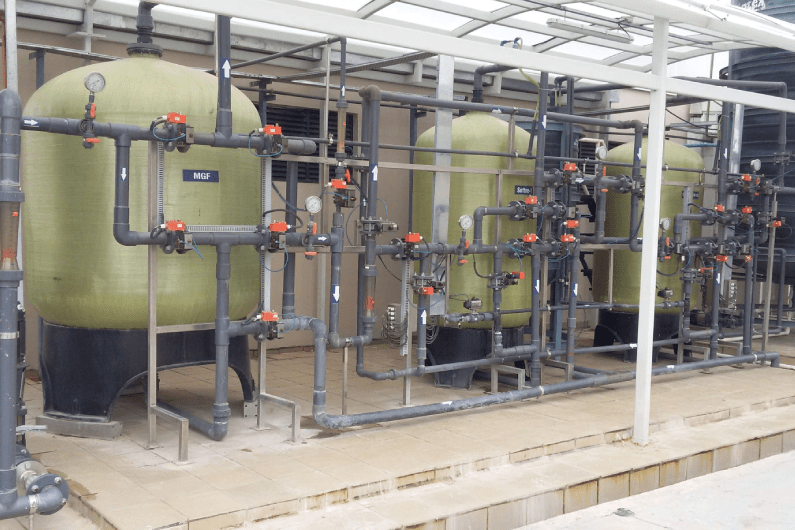
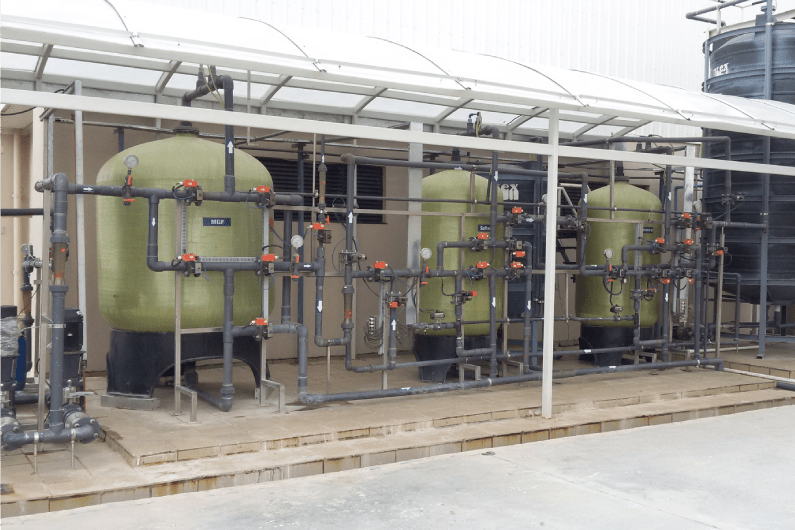
In many plants, these issues emerge not because operators are unaware of pre-treatment but because pre-treatment systems are poorly designed, improperly sized, or inadequately maintained. Softener regeneration may be delayed, activated carbon filters may be saturated, and multimedia filters might allow turbidity spikes during backwash cycles. Unfortunately, these upstream issues do not present as immediate alarms. Instead, they show up weeks or months later as rising conductivity, falling permeate flow, or unexpected microbiological growth all symptoms of a deeper, unresolved root cause.
As highlighted in the blog Common Problems While Producing Pure Water, membrane degradation is a frequent issue in pharma water systems, often triggered by neglected pre-treatment health. And when a membrane fails, it rarely does so quietly it leads to purification failure, batch risk, and potential audit complications.
Design for Defense: Making Pre-Treatment a Compliance Priority
To avoid these outcomes, pre-treatment must be engineered with the same attention to detail as the purification system itself. That means starting with a comprehensive raw water analysis to determine exact impurity profiles and selecting technologies accordingly whether softeners for hardness removal, dechlorination systems for chemical oxidants, or ultrafiltration for microbial load reduction. It also means ensuring redundancy, proper automation, and proactive maintenance strategies that prevent upstream degradation from reaching sensitive membranes.
Some engineering partners take a more integrated approach one that prioritizes source water conditioning as the foundation of a high-purity system. In such projects, pre-treatment isn’t just an input, it’s a control point, monitored, documented, and validated as part of the overall system qualification. Flow rates, cycle times, and regeneration status are all tied to centralized logic that ensures consistent performance.
In the high-stakes environment of pharmaceutical production, the reliability of a water purification system is non-negotiable. And while much of the focus rightly goes to membrane design, sanitization, and automation, the role of pre-treatment cannot be underestimated. When it fails silently, membranes absorb the cost both operational and regulatory.
True purification begins before the RO unit. By prioritizing intelligent, well-maintained pre-treatment systems, pharma manufacturers can extend membrane life, reduce unexpected failures, and ensure consistent output that meets the strictest global standards. The most robust water systems are not those with the most technology they are the ones with the strongest foundation. And that foundation starts with treating water the right way, right from the start.