How to Inactivate Biowaste in the Pharma & Biopharma Industry?

Managing biowaste is one of the most critical responsibilities in pharmaceutical and biopharmaceutical operations. Every process—from research to manufacturing and quality control—generates biological waste that, if mishandled, can pose serious risks to people, the environment, and regulatory compliance.

As responsible leaders, it is our duty to ensure proper biowaste handling to safeguard both the environment and the community from biological threats. At TSA, we offer innovative and reliable solutions to support your company’s sustainability and biosafety goals.

In this blog, let’s explore the most widely used and advanced biowaste inactivation methods adopted in the pharma and biopharma industry.


 What is Biowaste?

Biowaste refers to biological material discarded during laboratory, manufacturing, and quality-control operations. Common examples include:

  • Residual biological matter from laboratory equipment and production vessels
  • Discarded materials used in testing or experiments
  • Cultures, stocks, and microbial specimens
  • Contaminated disposables like syringes, gloves, masks, and PPE

If not handled properly, biowaste can contaminate soil, water, and air, and may allow infectious agents to spread to humans and animals. Globally, multiple incidents have shown that improper biowaste management can trigger environmental contamination and outbreaks.

Additionally, inadequate biowaste disposal violates national and international regulations—leading to heavy penalties, loss of certification, and even plant shutdowns.


How to Inactivate Biowaste?

Biowaste inactivation is essential for ensuring safety, maintaining compliance, and preventing pathogen release. Below are the most effective and widely used techniques in the pharmaceutical and biotech industry.


1. Thermal Inactivation: The Most Widely Used Approach

Thermal methods rely on high temperatures to destroy pathogens and organic matter. The two most common techniques are:


a. Autoclaving – Reliable, Efficient & Scalable

Autoclaving uses steam at 121°C–134°C and 15–30 psi pressure to sterilize biowaste. The high-pressure steam penetrates microbial cells, denatures proteins, and disrupts essential structures.

Why it’s widely adopted:

  • Highly effective against bacteria, fungi, and viruses
  • Cost-efficient
  • Scalable from small labs to full-scale industrial operations

Typical applications:

  • Contaminated glassware, Petri plates, PPE, culture media
  • Microbiology lab disposables
  • Bioreactor residues

Limitations:

  • Not suitable for heat-sensitive materials
  • Requires regular maintenance and validation


b. Incineration – Ideal for High-Risk Biowaste

Incineration burns waste at extremely high temperatures (800°C–1200°C), converting it into ash, CO₂, and water vapour.

Benefits:

  • Effective for high-risk, highly contaminated waste
  • Significant reduction in waste volume
  • Destroys pathogens and toxic organic compounds

Drawback:

  • High energy consumption makes it less eco-friendly


2. Chemical Treatment: Best for Heat-Sensitive Waste

Chemical treatment uses disinfectants to neutralize pathogens in liquid waste, surfaces, and non-autoclavable materials.

Common disinfectants:

  • Sodium hypochlorite
  • Hydrogen peroxide
  • Ozone
  • Formaldehyde

These chemicals work by oxidizing cellular components or damaging DNA.

Effective for:

  • Lab wastewater
  • Cleanroom surfaces
  • Heat-sensitive tools and disposables

Advantages:

  • Quick and cost-effective
  • Low initial investment

Important considerations:

  • Requires careful handling and safe storage
  • Chemical concentration must be controlled
  • Residual chemicals must be safely disposed of


3. Irradiation Techniques: Effective for Heat-Sensitive Materials

Irradiation damages microbial DNA using light or high-energy particles.


Ultraviolet (UV) Radiation

UV-C light breaks down microbial DNA and prevents replication.

Best for:

  • Surface sterilization
  • Wastewater treatment

Limitations:

  • Works only on surfaces directly exposed to UV
  • Not suitable for bulk or solid waste


Gamma Radiation

Gamma rays have deep penetration power and can effectively inactivate microorganisms in dense or large waste volumes.

Benefits:

  • Highly effective for large-scale operations
  • No heat generation, no combustion, no chemical residues
  • Environmentally friendly

Limitations:

  • Requires specialized radiation sources and shielding
  • Strict regulatory controls are mandatory


Advanced Technologies in Biowaste Inactivation

Modern pharma facilities are moving toward advanced, sustainable, and highly efficient biowaste treatment systems. Here are emerging technologies that are shaping the future:


1. Plasma Arc Treatment

This method uses a high-energy plasma arc to heat waste up to 3000°C, breaking down organic matter into harmless gases like CO₂, nitrogen, and water vapour.

Where it helps:

  • Waste containing heavy metals
  • Complex biological-chemical mixtures
  • Facilities aiming for reduced emissions

⚠️ Challenges:

  • High initial setup cost
  • Requires trained, highly skilled operators


2. Supercritical Water Oxidation (SCWO)

SCWO treats waste in water at supercritical conditions—above 374°C and 3200 psi—where water behaves as neither liquid nor gas. Under these conditions, organic contaminants oxidize rapidly.

Advantages:

  • 99.99% destruction efficiency
  • Very low emissions
  • Ideal for high-contamination liquid waste


3. TSA Bio-Kill Tank System

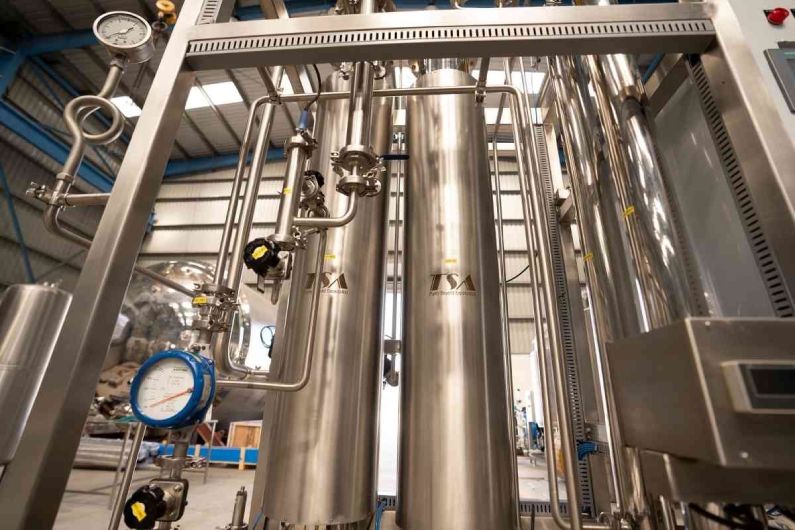
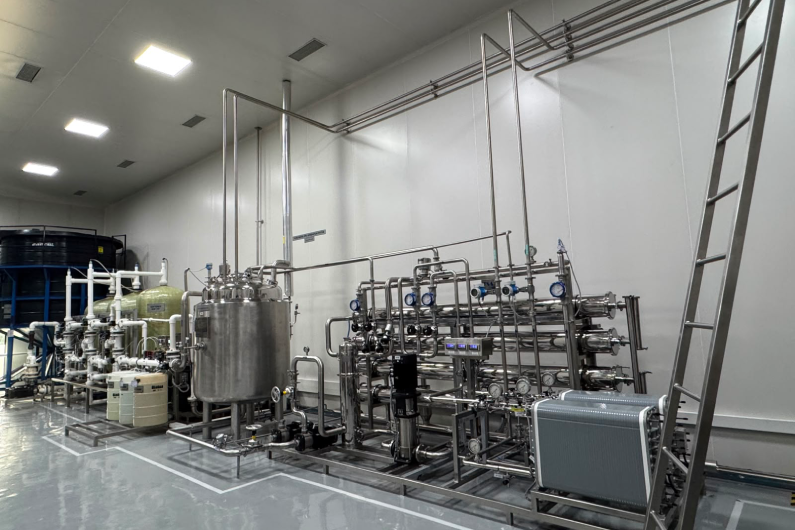
TSA offers a fully customizable Bio-Kill Tank System designed to meet the world’s most stringent biosafety standards. Built for pharma and biopharma operations, these systems ensure complete inactivation of liquid biowaste before discharge.

Designed to meet GMP, WHO, and US-EPA guidelines
Fully automated options available
High performance, validated, and scalable

For more information, visit TSA’s official website.


What’s More?

At TSA, we go beyond manufacturing. We offer complete lifecycle support:

  • Validation Documents (DQ, IQ, OQ, PQ)
  • Cleanroom FAT facilities
  • Annual Maintenance Contracts (AMCs)
  • Critical Spares Support

This ensures your systems remain compliant, efficient, and always audit-ready.


Conclusion

Selecting the right biowaste inactivation method depends on your facility’s waste type, regulatory commitments, sustainability goals, and operational scale.

Regardless of the method you choose, it must comply with global regulations such as WHO, U.S. Environmental Protection Agency (EPA), and local GMP guidelines. Regular process validation, documentation, and employee training are essential to maintaining biosafety and regulatory integrity.

At TSA, we champion sustainable, intelligent engineering. Our biowaste inactivation systems are designed to reduce energy consumption, improve process efficiency, and ensure total biosafety.

Looking for expert guidance?

Bottom of Form


Connect with TSA today—and take the next step toward safer, smarter, and sustainable biowaste management.
Top of Form

Share this post:

For 20 years, we’ve been the go-to problem-solvers for high-purity and injectable process applications in the pharma and biopharma industry. We are relentless about continuous process improvement and upskilling, elevating ourselves and our technology so you can get the job done more efficiently with cost optimisations. Use the form below to schedule a call back from our team.

Name(Required)
Address
This field is for validation purposes and should be left unchanged.

Hetal Panchal is the Vice President in Operations department of TSA Process Equipments (A Thermax Group Company) since 1 s t October 2012.

Holding a qualification in Production Engineering and 28 years of industry experience, he specializes in designing advanced equipment for the pharmaceutical sector. His expertise lies in optimizing production lines, improving efficiency, and ensuring compliance with regulatory standards.
Focused on innovation, he has developed systems that enhances productivity, minimizes downtime, and maintains product quality. Staying current with technological trends, they contribute to ongoing improvements in the industry.
His extensive experience has helped identify opportunities for innovation, streamlining operations and reducing costs. Through his specialized knowledge, more efficient manufacturing processes and higher-quality outputs in pharmaceutical production are delivered.

B.C. Mahesh is the Chairperson of TSA Process Equipment Pvt. Ltd. since Feb 2024.

B.C. Mahesh became a member of the Executive Council in August 2013. He is responsible for the Industrial Product Business (IPB), which consists of Process Heating, Absorption Cooling & Heating Solutions, Water and Waste Solutions, Air Pollution Control, Steam Engineering, Channel Business Group, International Business Group, and Enterprise Sales businesses.
As part of IPB, he also oversees the following wholly-owned subsidiaries
of Thermax – Danstoker, PT Thermax International Indonesia and Rifox.Mahesh joined Thermax as a graduate trainee in 1988 and handled the Materials function for various businesses, including global sourcing, till 1996.
He moved to the Power division(P&ES) and grew to the position of Sales Head and subsequently Head of Projects. He took over as the Head of the SBU for Medium Power Plants in 2009 and finally as Head of Power business in 2012.
Mahesh has worked with Thermax for over 30 years in many functions such as manufacturing, supply chain, sales and marketing, and project management, and has played a significant role in the strategy, expansion and diversification of the Power business.Mahesh completed his Mechanical Engineering from the Visvesvaraya Regional College of Engineering, Nagpur in 1988.

Vishal Mehra is the Director of TSA Process Equipment Pvt. Ltd. since Feb 2024.

Mr. Vishal Mehra is currently serving as the Strategic Business Unit Head for Water & Waste Solutions (WWS) at Thermax Limited. Additionally, he holds a directorial position at TSA Process Equipment, which is known for its expertise in ultra-pure and high-purity water technologies and was recently acquired by Thermax.With over 22 years of experience in the industry, Mr. Mehra’s professional focus includes water management solutions, advanced technology development, and business strategy.
His areas of interest encompass cutting-edge technology, growth strategies, organizational effectiveness, and development.
Mr. Mehra is well qualified in business management and strategy transformation, having completed the Senior Executive Program in Business Management and Strategy Transformation from London Business School. This advanced education supports his extensive experience and expertise in the field.

Sandeep Deshpande has been the Director of TSA Process Equipments Pvt. Ltd. since February 2024.

Currently, he serves as the Head of Corporate Finance and the Industrial Product Group at Thermax Limited. With over 21 years of experience in finance, he has developed expertise in financial consolidation, planning, reporting, costing, accounting, controlling and financial modeling.
Sandeep is a qualified Cost Accountant Company Secretary, and holds a diploma in IFRS and an advanced diploma in financial management from XLRI. He has extensive experience in financial operations, including financial planning, MIS, budgeting, controlling, audits, and cash flow management. His expertise also spans financial reporting, consolidation, mergers and acquisitions, due diligence, business restructuring, and implementing Internal Financial Control (IFC) and Enterprise Risk Management (ERM). Additionally, Sandeep has hands-on experience with Oracle systems, automation, digitization, and business analytics. He is passionate about driving good governance, improving financial reporting, and leveraging automation and digitization to enhance business analytics.

Rajiv Parikh is the COO of TSA Process Equipments (A Thermax Group Company) since April 2024.

Rajiv is a highly accomplished professional with extensive experience in the pharmaceutical and FMCG sectors, specializing in high-purity and process vessels. He played a key role in establishing TSA Process Equipments Pvt. Ltd., driving its growth and success. His deep technical expertise, combined with a strong understanding of client needs, has enabled him to deliver innovative solutions to complex industry challenges.

Throughout his career, Rajiv has excelled in leadership and sales, consistently launching cutting-edge products that have positively impacted the market. His ability to build lasting client relationships and offer tailored solutions has earned him a reputation as a trusted industry leader.

With a background in Mechanical Engineering, Rajiv blends technical proficiency with strategic vision. His contributions have shaped industry standards and positioned him as a key influencer in the pharmaceutical and FMCG sectors.

Apurva Shah is the CEO of TSA Process Equipments (A Thermax Group Company) since April 2024.

With a career spanning over 24 years, Apurva is the visionary CEO of TSA Process Equipments, where he has led the company to new heights in the High Purity & process equipment industry. A graduate in Mechanical Engineering from Mumbai University, followed by an MBA in Business Management from NMIMS, He brings a strong technical foundation combined with a sharp strategic mindset.

His expertise lies in formulating and executing strategies that drive growth and operational efficiency. Over the years, he has cultivated a deep understanding of market dynamics, positioning TSA Process Equipments for continued success in a competitive landscape.

Outside of his professional pursuits. He is an avid reader, with a particular interest in fiction novels, which fuel his creativity and broaden his perspective.