Why Dryness Fraction Matters More Than You Think
In the world of pharmaceutical manufacturing, sterilization integrity is non-negotiable especially when it comes to Steam-In-Place (SIP) processes. While much attention is given to temperature and pressure parameters, one critical factor that often gets overlooked is the dryness fraction of pure steam. This metric, which indicates the amount of moisture present in steam, directly influences sterilization efficacy. If the steam is too wet, it can result in inadequate heat transfer and failure to achieve uniform sterilization. Conversely, too dry, and it lacks the necessary latent heat to maintain sterilization conditions across all surfaces.
The consequences of improper dryness fraction control can be subtle but severe: persistent microbial load, regulatory non-compliance, wet surfaces that encourage bacterial growth, and even corrosion of equipment. Unfortunately, many steam generators either do not monitor dryness fraction in real time or treat it as a secondary parameter during system design and validation. As a result, SIP cycles that appear to be completed successfully may, in fact, fall short of regulatory expectations.
Challenges in Achieving Consistent Steam Quality
Achieving the right dryness fraction is not just about using high-quality feed water or a robust generator design. It requires a well-engineered steam generation system with precise separation stages, effective venting for non-condensable gases, and an intelligent approach to load management. Variations in steam demand, utility pressure, or feed water temperature can all affect dryness in real-time. If not compensated for, these fluctuations result in inconsistent sterilization especially during critical phases like filter or tank sterilization.
Many systems rely on assumptions about dryness fraction based on design calculations rather than continuous validation. This approach poses a risk in dynamic pharmaceutical environments where even slight variances can lead to process failure. Moreover, without proper sampling points and validated dryness tests, identifying the root cause of sterilization inefficiency becomes a challenge during investigations or audits.
Engineering a Solution beyond Compliance
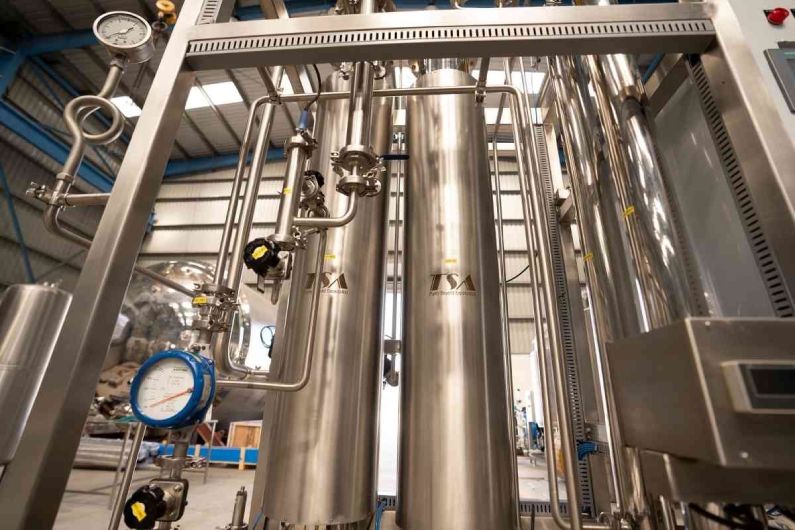
Leading high-purity equipment providers have recognized the importance of dryness fraction and are now designing Pure Steam Generators (PSGs) with integrated moisture separators, condensate monitoring, and optional dryness testing modules. These features ensure that the steam delivered to critical points is of validated dryness, eliminating the risks associated with wet steam. The inclusion of real-time monitoring typically through SCADA or PLC systems helps operators maintain optimal steam quality under varying load and operating conditions.
TSA offer PSGs with enhanced steam separation and continuous monitoring of condensate conductivity and non-condensable gases, which serve as indirect indicators of steam quality. The systems are designed with automated alarms that notify operators in case steam characteristics fall outside acceptable thresholds, helping maintain batch integrity without relying solely on manual checks. During FAT and SAT, dryness fraction testing is carried out to validate steam performance against pharmacopeia standards.
In addition to equipment, such providers also assist with documentation, validation protocols, and routine testing guidance to help clients remain audit-ready. This complete approach ensures that dryness fraction is not just controlled it is continuously verified as part of an integrated quality management strategy.
Sterilization That You Can Trust
As regulatory requirements tighten and expectations for sterility assurance grow, pharmaceutical manufacturers must move beyond basic compliance. Steam quality particularly dryness fraction can no longer be treated as an afterthought. It must be a core performance metric, validated at every stage of system design, operation, and maintenance.
By investing in technology that enables real-time control and by partnering with solution providers who understand the nuances of pure steam behaviour, manufacturers can eliminate sterilization blind spots and uphold the highest levels of process integrity.